

Divorce
How to Protect Your Credit During a Divorce in Texas

If you’re going through a divorce in Texas and starting to worry about what it’s going to do to your credit, you may be asking:
“How do I protect my credit during a divorce in Texas?”
This is one of the most important questions you can ask — and unfortunately, one of the most overlooked. Most people going through a divorce are focused on the house, the kids, and the attorneys. Credit protection ends up at the bottom of the list until something goes wrong, and by then the damage is already done.
The Move Live Love TX Team™ is a Houston, Texas real estate team based in The Woodlands that helps homeowners navigate life transitions like divorce while guiding them to selling smarter across Houston and surrounding areas. We’ve worked with a lot of divorcing homeowners over the years, and we’ve seen firsthand how credit issues that started during a divorce can follow someone for years afterward — making it harder to rent, harder to buy again, and harder to move forward financially. We’re not credit counselors or attorneys, but we know this territory well enough to walk you through the basics so you can ask the right questions and get the right help.
Here’s what you need to know.
Here’s Where Things Stand
Divorce affects your credit in ways that a lot of people simply don’t see coming. It’s not the divorce itself that shows up on your credit report — divorce isn’t a credit event. What shows up is everything that happens around it: missed payments, joint accounts that go sideways, debts that were supposed to be handled by your ex but weren’t, and accounts you forgot existed until they became a problem.
The good news is that most of this is preventable — if you stay proactive and don’t assume that your divorce agreement automatically protects you financially. It doesn’t, and understanding why is the starting point for protecting yourself.
The Most Important Thing Most People Don’t Know
Here’s the piece that surprises almost everyone: creditors don’t care what your divorce decree says.
Your divorce agreement might clearly state that your ex is responsible for the mortgage, the car loan, or the joint credit card. But the lender wasn’t part of that negotiation. As far as the bank is concerned, both names on the account are equally responsible — and if the account goes unpaid, both credit scores take the hit. It doesn’t matter what your paperwork says between the two of you. The lender only cares whose name is legally attached to the debt.
This is one of the most common and painful surprises divorcing homeowners face. Someone does everything right on their end, follows the agreement, moves on with their life — and then finds out months later that their credit took a serious hit because their ex stopped making payments on a joint account. By the time you find out, the damage is already done and the only option is a long recovery process.
The solution is not to trust and hope. It’s to stay actively involved with every shared financial account until those accounts are fully resolved — closed, refinanced, or removed from your name entirely.
Know Exactly How Your Name Is Attached to Every Account
Not every account affects you the same way, and understanding the difference matters when you’re trying to figure out where you’re exposed.
If you are the sole account holder, you are fully responsible for that debt — straightforward. If you are a joint account owner, both you and your ex are legally responsible for the account regardless of what your divorce decree says. The lender sees two borrowers, and both borrowers are on the hook. If your ex is an authorized user on an account that’s solely in your name, they can use the account but are generally not legally responsible for repayment — which means if they run up a balance, that’s your problem. And if you are an authorized user on an account in your ex’s name, you have access but no legal responsibility — but you also have no control over whether that account gets paid.
Understanding exactly how you’re tied to each account is the foundation of credit protection during a divorce.
Pull Your Credit Reports and Review Every Account
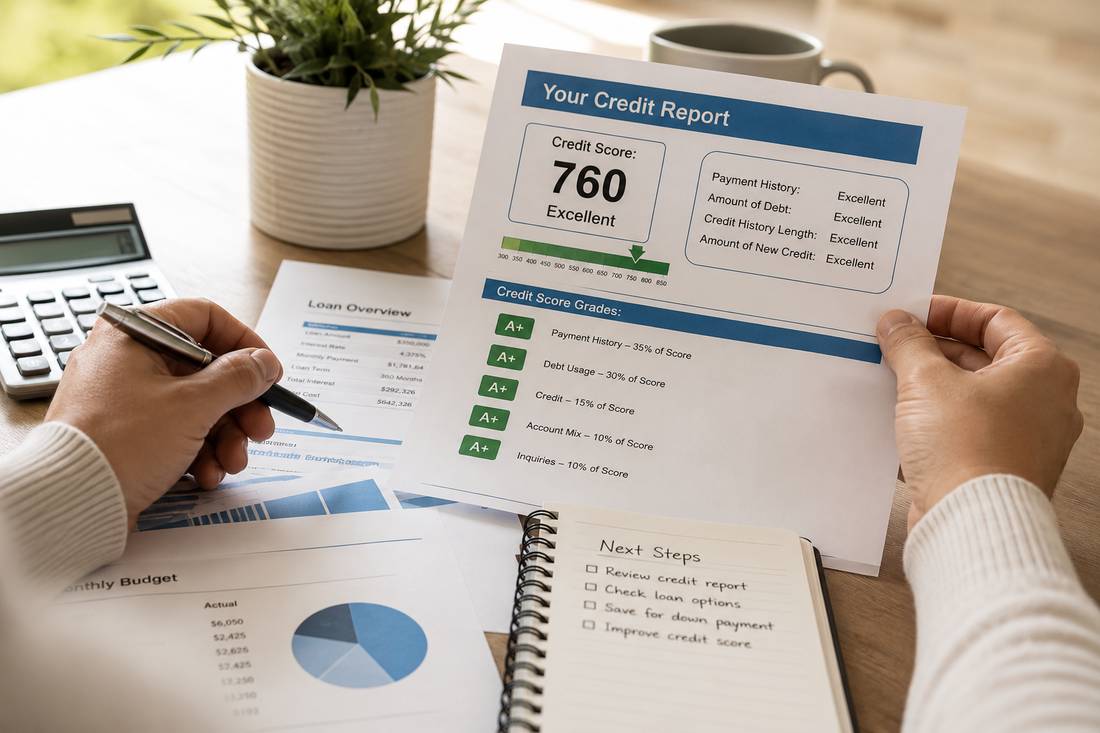
Before you can protect your credit, you need a clear picture of what you’re actually dealing with. Pull your credit reports from all three bureaus — Equifax, Experian, and TransUnion — and go through every account carefully. You’re looking for accounts you may have forgotten about, joint accounts that are still open, accounts where your ex is an authorized user, and any balances or payment histories that could affect you going forward.
This isn’t a one-time exercise. During a divorce, checking your credit regularly — monthly if possible — lets you catch problems early before they become serious. A late payment is much easier to address at 30 days than at 90, and knowing about it quickly gives you options.
Start Separating Your Finances as Soon as Possible
The goal during a divorce is financial separation — getting your name off shared obligations and getting your ex’s name off accounts where they have access. That’s not always possible to do immediately, and some accounts take longer to resolve than others. But the direction should always be toward separation, and moving on it early protects you.
For joint accounts — credit cards, loans, lines of credit — the options are to pay them off and close them, refinance them into one person’s name, or negotiate how they’re handled as part of the divorce settlement. The important thing is that “my ex will handle it” is not a protection strategy. It’s a risk.
For credit cards that are solely in your name where your ex is an authorized user, remove them immediately. There’s no reason to leave that door open during a contentious financial separation.
Stay in Communication With Your Creditors
This is a step most people skip because it feels uncomfortable, but it’s worth doing. Update your mailing address with every creditor so you don’t miss statements or notices. If account ownership needs to change, contact creditors directly to confirm — don’t assume that a divorce decree or an attorney letter automatically updates anything on their end. Confirm changes in writing and keep records.
In high-conflict situations where you’re genuinely concerned about your ex opening accounts in your name or taking actions that could hurt your credit, a credit freeze is a smart protective step. You can place one with each of the three major bureaus — Equifax, Experian, and TransUnion — and it prevents new accounts from being opened in your name without your authorization. It’s free, it’s reversible, and it’s something a lot of people wish they had done sooner.
Download Our Houston Divorce Home Selling Guide
If you’re navigating a divorce and trying to understand all the financial pieces — not just the house, but the full picture — our guide walks through it clearly.
Download the Houston Divorce Home Selling Guide here.
How the House Connects to Your Credit
This is where our lane intersects with the credit conversation in a direct way. If you have a joint mortgage — and most married homeowners do — that mortgage is one of the biggest credit obligations you have. How it gets handled during the divorce has a direct impact on both parties’ credit.
If the home is going to be sold, the mortgage gets paid off at closing and the joint obligation ends cleanly. That’s the simplest outcome from a credit standpoint. If one spouse is keeping the home and needs to refinance into their own name, that removes the other spouse’s name from the mortgage — but the refinance has to actually close for that protection to be real. Until it does, both names are still on the loan and both credit scores are at risk if a payment is missed.
If the home sits in limbo during a long divorce process — with payments being made inconsistently, or one spouse refusing to contribute — the mortgage is accumulating risk for both parties the entire time. That’s why getting clarity on the house early in the process isn’t just about the real estate. It’s about protecting your financial footing while the divorce plays out.
For more on how the mortgage fits into the bigger picture, this is worth reading: what happens to a mortgage during a divorce in Texas.
What Happens to Your Credit After the Divorce Is Final
Once the divorce is final and accounts have been separated, your credit moving forward is entirely your own — which is actually a fresh start if you handle it right. The accounts that remain in your name, the payment history you build from this point forward, and how you manage your new financial reality are what shape your credit score going forward.
If your credit took some hits during the divorce process, it’s not permanent. Credit scores recover with consistent on-time payments, reduced balances, and time. The path forward is straightforward — it just requires patience and staying on top of it.
If you’re planning to buy again after the divorce, your credit score is going to be one of the first things a lender looks at. Understanding where you stand and what it takes to get where you need to be is worth knowing before you start that process. This article walks through the credit score side of buying again: what credit score do you need to buy a house after a divorce.
The Biggest Mistake We See
The biggest mistake is passivity — assuming that because the divorce decree handles it, your credit is protected. It isn’t. The decree governs your relationship with your ex. It does not govern your relationship with your creditors. Those are two completely separate things, and treating them as the same is how people end up blindsided by credit damage they didn’t see coming and didn’t think they were responsible for.
Stay active. Stay informed. Don’t wait for problems to surface — by then your options are much more limited.
What We Would Do
If we were in this situation, we’d start by pulling all three credit reports and going through every account with fresh eyes — treating it like a financial audit, not a casual review. From there we’d make a list of every joint account, understand how each one is structured, and start working through them systematically with the goal of full financial separation as quickly as the divorce process allows.
We’d also stay in close contact with whoever is handling the mortgage situation — whether that’s a lender working on a refinance, an attorney negotiating the settlement, or a real estate team managing the sale — because the mortgage is the largest joint obligation most couples share and it needs to be resolved cleanly.
We’re Here When You’re Ready
Protecting your credit during a divorce is really about staying informed and staying proactive — and that same mindset applies to everything else in the process, including the house. If you’re trying to figure out your next steps, we’re here to help you think through the full picture.
Download our Houston Divorce Home Selling Guide to get a clearer picture of what the process looks like from start to finish, or reach out directly and we’ll have a real conversation about your situation.
Frequently Asked Questions
- Does a Texas divorce decree protect your credit?
- No — creditors aren't part of the divorce negotiation, so even if the decree assigns a debt to one spouse, both names on a joint account remain equally responsible in the lender's eyes.
- What's the difference between a joint account and being an authorized user during divorce?
- On a joint account both spouses are legally responsible regardless of the decree, while an authorized user can use the account but generally isn't legally responsible for repayment.
- How often should credit reports be checked during a divorce?
- Regularly, ideally monthly — pulling reports from all three bureaus early catches forgotten accounts and payment problems while they're still easy to fix.
- What's a smart protective step in a high-conflict divorce?
- Placing a credit freeze with each of the three major bureaus, which prevents new accounts from being opened in your name without authorization, is free and reversible.
- How does the house connect to credit protection during a Texas divorce?
- A joint mortgage is one of the largest shared obligations a couple has, so how it's resolved — sale, refinance, or ongoing joint payments — has a direct impact on both spouses' credit until it's fully separated.