

Luxury
What Protects Your Deposit If a Houston Luxury Builder Goes Under Before Closing?
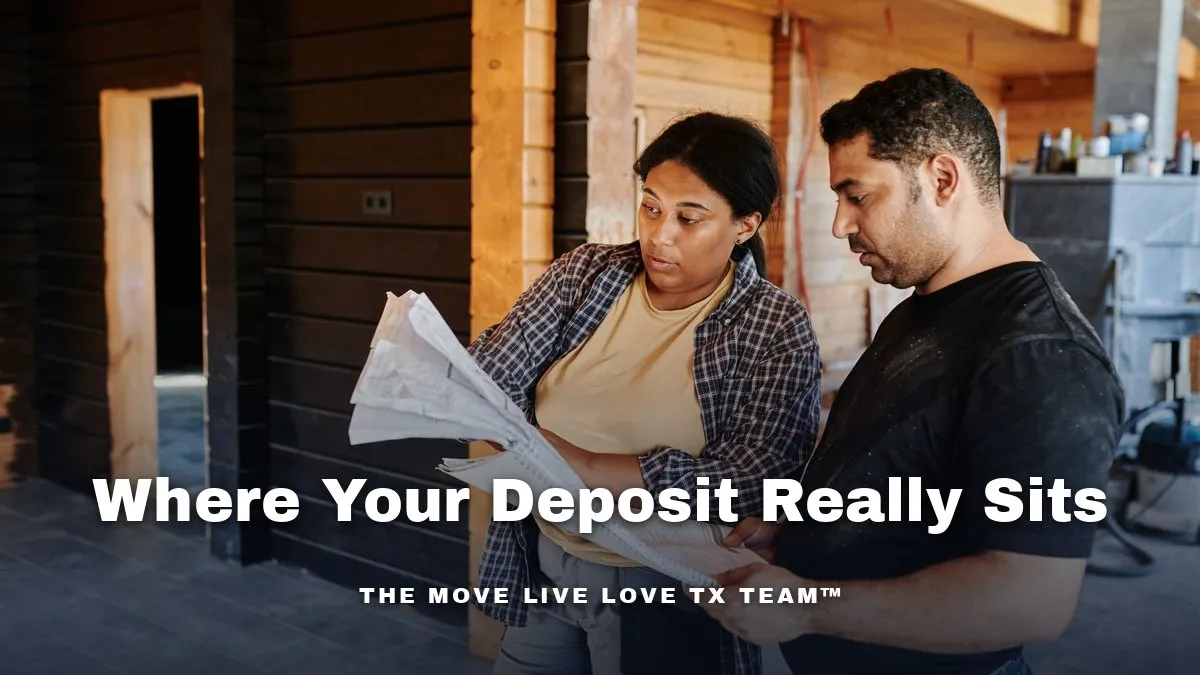
In Texas, almost nothing automatically protects your deposit if a luxury home builder goes under before your house is finished. There’s no state statute requiring a builder to hold earnest money or construction deposits in a segregated escrow account, so whatever protection exists has to come from the specific language in your contract, not from a law doing the work for you.
Why This Matters More on a Luxury Build
A deposit on a custom or luxury home isn’t the few thousand dollars typical of a production-builder contract. It’s often a meaningful percentage of a total build that can run well into seven figures, paid before a single wall goes up. Builders have gone under mid-project before, in Texas and elsewhere, leaving buyers who thought their money was safe standing in a bankruptcy line with every other unsecured creditor the company owed. What Houston Luxury Buyers Should Check Before Signing a Custom Builder’s Contract covers the broader list of contract terms worth reading in full before you sign; deposit protection belongs at the top of that list, not buried in it.
Where Your Money Sits Right Now
Ask this question directly before you sign anything: where does my deposit go the moment I wire it? There are only two answers, and they’re not the same thing.
- A true third-party escrow account, held by an independent title company or escrow agent, with the funds released to the builder only against specific, verified milestones. This is the version that gives you a real claim to your money if something goes wrong.
- The builder’s own operating account, where your deposit mixes with the company’s day-to-day cash flow. If the builder goes bankrupt, you’re generally treated as an unsecured creditor, which means you’re in line behind the bank, the suppliers, and anyone else the company owes, with no guarantee you see any of it again.
A builder who hesitates to answer this question plainly, or can’t point to the real escrow agreement, is telling you something important before you’ve spent a dollar.
What to Negotiate Into the Contract
None of this happens automatically, so it has to be written in. A few protections worth asking for on a deposit of real size:
- Third-party escrow, with the agreement itself attached as an exhibit to your contract, not only referenced.
- Payments staged against inspected, verified construction milestones rather than a flat up-front deposit.
- A performance bond or letter of credit, which some builders will provide for a large custom project if asked.
- A clear default and refund clause that spells out exactly what happens to your money if the builder can’t finish the home.
What a 1031 or a Big Cash Position Doesn’t Protect Against
Buyers financing a custom build with proceeds from a 1031 exchange or a large cash position sometimes assume that paying outright removes risk from the deal. It removes financing risk. It does nothing for builder-solvency risk, since the deposit still has to sit somewhere, and “somewhere safe” is a contract term, not a given. What a New Construction Warranty Covers on a Luxury Texas Home covers a related but separate protection, what happens after you’ve moved in, which matters as much but doesn’t answer the question of what happens to your money before you ever get the keys.
Our Take
The Move Live Love TX Team™ would rather a client spend an extra week with an attorney reviewing escrow language than spend a year in a bankruptcy proceeding trying to recover a six-figure deposit. Peter Royster’s background in construction and lending, before he got his Texas real estate license in 2004, means he reads a builder’s payment schedule the way a lender would, not only the way a buyer excited about floor plans would. If you’re putting real money down on a custom build, get that contract in front of a real estate attorney before you sign, and ask our Navigating Luxury Real Estate Guide for the rest of what a Houston luxury buyer should have checked before breaking ground.
Frequently Asked Questions
- Does Texas law protect a deposit if a luxury home builder goes bankrupt?
- No, not automatically. Texas has no statute requiring a builder to hold earnest money or construction deposits in a segregated escrow account the way some other states do. Whatever protection you get comes entirely from the specific language in your purchase or construction contract.
- Where should a large deposit on a custom build sit?
- Ask for the deposit to be held by an independent third-party escrow agent or title company, not the builder's own operating account. If the builder won't agree to that, or can't explain where the money sits today, that's worth treating as a real answer, not a formality to skip past.
- What happens to your deposit if the builder files for bankruptcy before your home is finished?
- If the money sat in the builder's general operating account, you typically become an unsecured creditor standing in line with every other creditor the builder owes, with no guarantee of getting it back. If it sat in a true third-party escrow, you have a much stronger claim to recover it directly.
- Can you negotiate deposit protection into a custom home contract?
- Yes, and for a large deposit on a luxury or custom build, you should. Common protections include third-party escrow, a performance bond, staged payments tied to verified construction milestones, and a clear default clause spelling out exactly what happens to your money if the builder can't finish.
- Should a real estate attorney review a custom builder's contract before you sign?
- For a deposit in the tens or hundreds of thousands of dollars, yes. A real estate attorney can review the escrow language, the default and refund terms, and the payment schedule before you're committed, which is a far better time to catch a gap than after you've already wired the money.