

Luxury
What Wellness and Smart Home Features Luxury Buyers Actually Want in 2026

Wellness infrastructure and unified smart home systems have moved from upgrade to expectation in today’s luxury market. Buyers increasingly ask about a home gym, sauna, or advanced air and water filtration the same way they’d ask about a kitchen. Cold plunge access near the primary suite has gone from a novelty to something a lot of buyers actively look for. And on the technology side, what matters now isn’t how much tech a home has, it’s whether that tech is simple enough that nobody has to think about it.
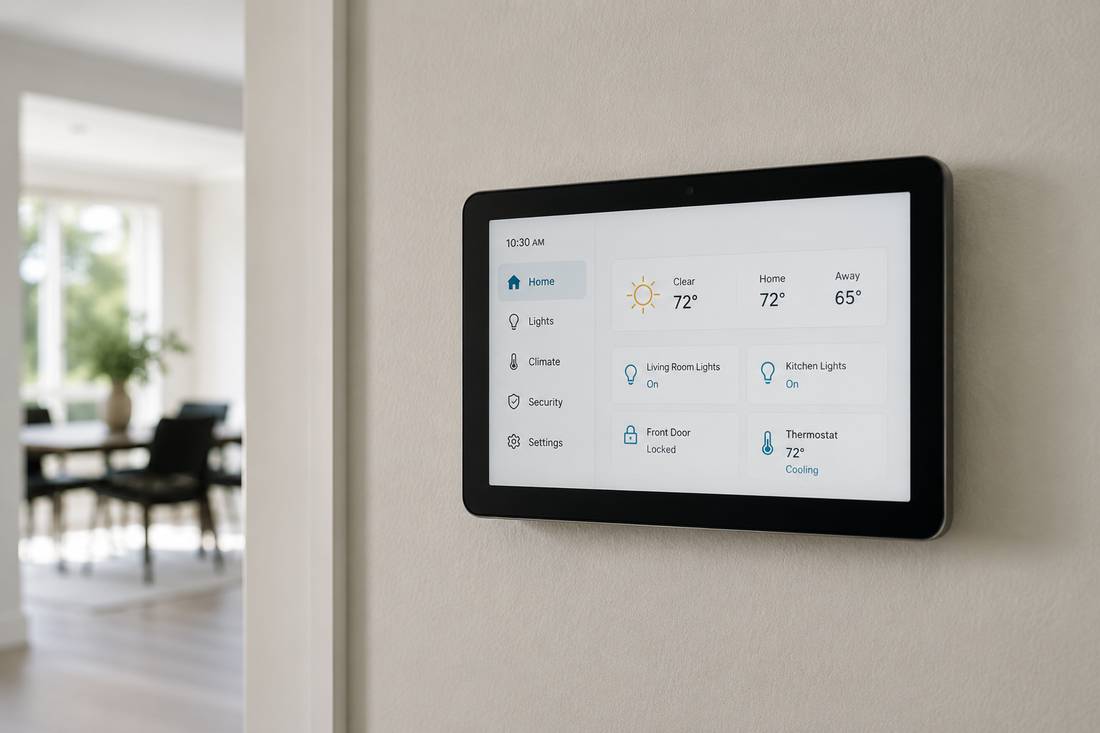
If you’re picturing gadget walls and touchscreens everywhere, that’s actually the outdated version of luxury tech. The current version is closer to invisible.
Why this shifted, and why it’s sticking
Wellness became a real priority during the pandemic, and instead of fading, it turned into permanent infrastructure. Buyers at this level tend to travel often and train seriously, and they’d rather have that world built into their own home than depend on an outside facility.
On the technology side, the shift is different but related. Early smart homes were sold on how much they could do. Buyers who lived with those systems for a few years learned the hard way that more features often meant more things to break, more apps to manage, more headaches at resale. The buyers shopping today have learned from that. They want fewer, better-integrated systems, not more standalone gadgets.
The wellness features actually adding value
Not every wellness feature earns its cost. A few consistently do.
A real home gym with daylight and air purification. Not a converted spare bedroom with a treadmill. Natural light and clean air are the two things that separate a room that gets used from one that becomes storage.
Spa-style bathrooms. Steam showers and radiant heated flooring show up again and again in what buyers are willing to pay more for.
Recovery spaces. Sauna and cold plunge access, ideally close to the primary suite rather than tucked in a far corner of the property. This is one of the more specific asks we’re hearing from buyers directly.
Air and water quality systems that actually work in the background. Whole-home air quality monitoring that can trigger ventilation automatically, and water filtration that doesn’t require the homeowner to think about it, matter more to serious buyers than a flashier, more visible feature.
Smart tech, but only if it stays simple
Here’s the distinction that actually matters: buyers expect basic smart functionality, smart thermostats, video doorbells, app-controlled security, the way they’d expect modern appliances. When those are missing, buyers notice immediately.
But beyond that baseline, more isn’t automatically better. Systems that require a specialist to operate, or that only work through one proprietary app, are increasingly a turnoff rather than a selling point. The best systems solve a specific, obvious problem, climate zones you can actually adjust room by room, lighting that works without a manual, without becoming a second job to maintain.
If you’re touring a home with an elaborate smart system already installed, two questions matter more than the feature list itself: who owns the data from the security cameras, and do the accounts and subscriptions actually transfer at closing. We’ve seen buyers assume a system comes with the house, only to find out at closing that the previous owner’s subscriptions don’t carry over and the system effectively resets to zero.
Who actually needs this, and who’s fine without it
This matters most if you train seriously, travel often, or genuinely use a home as a place to recover, not just sleep. For that kind of buyer, a well-built wellness space isn’t an indulgence, it’s infrastructure they’ll actually use daily.
It matters less if you already belong to a gym or spa you love and have no real interest in maintaining equipment or a sauna at home. In that case, paying a premium for space you won’t use is exactly the kind of upgrade that doesn’t pay off, wellness features add resale value broadly, but only if the space is genuinely usable and well-placed, not just present. We touched on what actually moves a luxury listing in What It Takes to Sell a Luxury Home in Today’s Market, and turnkey wellness spaces are exactly the kind of feature buyers are paying a premium for right now.
The same logic applies to smart tech. If you want a home that manages itself quietly, a thoughtful, unified system is worth prioritizing. If you’d rather flip a light switch than open an app, an overbuilt smart system might actually work against you at resale, since the next buyer may not want to inherit a system they didn’t choose.
What we’d point out during a walkthrough
We’d look past the sauna and the app-controlled everything and ask the boring but important questions first: is the ventilation actually adequate, is the water system doing real filtration or just marketed as one, and does the smart system’s documentation exist anywhere, or does it live entirely in the previous owner’s head.
We’d also flag when a feature was clearly added to impress rather than to be used. A cold plunge with no real path to it from the primary suite, or a home gym with no natural light, is a feature on paper more than a feature in daily life. Worth knowing before it factors into your offer.
Here’s the real question
The luxury features earning real value right now aren’t the ones that look most impressive in photos. They’re the ones a household actually uses every day, and technology quiet enough that nobody has to think about it. If you’re touring homes with a long features list, the better question isn’t “does it have this,” it’s “would we actually use this, and does it work simply enough that we will.”
If you’re weighing a property with a heavy wellness or tech build-out and want an honest read on whether it adds real value or just looks that way, reach out.
For a deeper walkthrough of how we approach evaluating luxury properties beyond the feature list, download our guide, Navigating Luxury Real Estate.
Frequently Asked Questions
- What wellness features do luxury buyers want most in 2026?
- Home gyms with natural light and air purification, spa-style bathrooms with steam showers, and recovery spaces like saunas and cold plunges, ideally located near the primary suite, are consistently the features buyers value most.
- Is smart home technology still important in luxury real estate?
- Yes, but expectations have shifted toward simple, unified systems rather than an extensive gadget list. Basic smart functionality — thermostats, security, doorbells — is now expected as baseline, while overly complex systems can actually work against a home's resale appeal.
- Do wellness features actually add resale value to a luxury home?
- Generally yes, when they're genuinely usable and well-placed. A poorly located or impractical wellness feature adds less value than one integrated into how the household actually lives day to day.