

Luxury
What Does It Take to Buy a 'Compound' Near Houston?
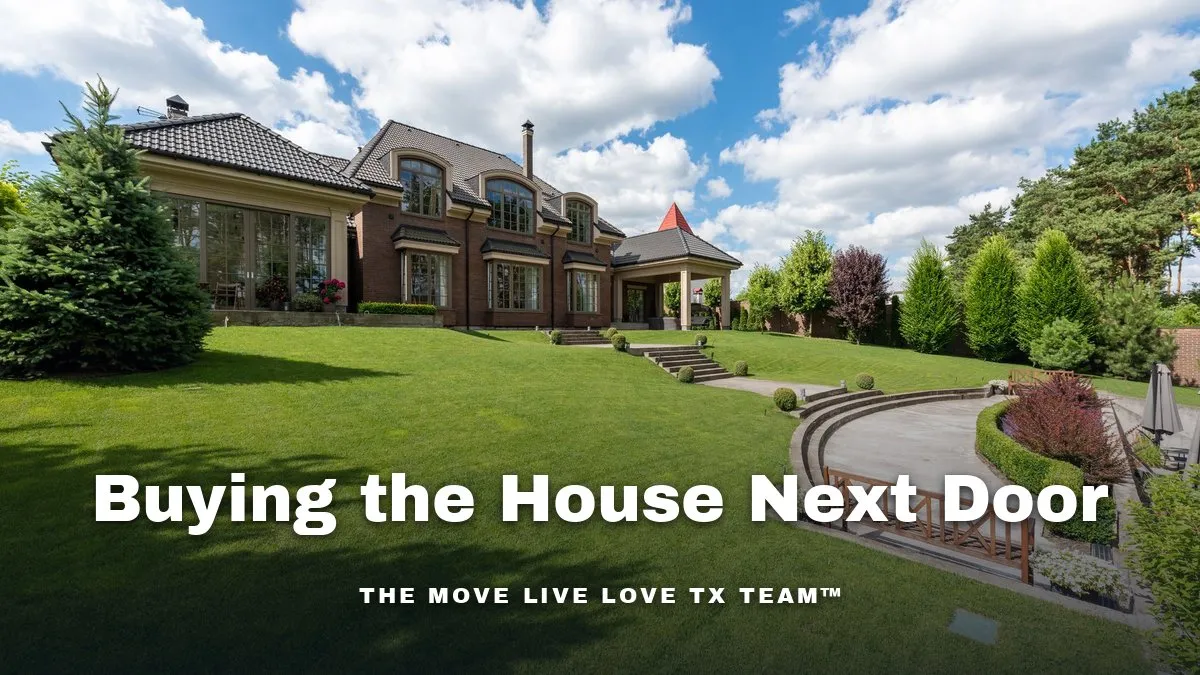
A “compound” near Houston usually means two or more adjoining lots, bought either together or one at a time, then combined into a single property through the county’s platting process. The term is showing up constantly in luxury search data this year, and most of what makes one work has less to do with real estate and more to do with paperwork most buyers never think about until they’re halfway into the purchase.
The Move Live Love TX Team™ is a husband-and-wife real estate team serving Houston and the surrounding areas, helping luxury buyers and sellers, with a Certified Luxury Home Marketing Specialist on every listing.
The Trend Behind the Word
National data from the luxury side of the market backs this up. Coldwell Banker’s mid-2026 report found searches for buildable land up 97 percent year over year, and searches for large estates and expansive parcels up even more, with privacy, security, and room for multiple generations named as the main drivers. Houston’s luxury buyers are chasing the same thing, at Houston prices rather than Palm Beach ones: a main house, maybe a guest house or a casita for aging parents, a pool house, and enough acreage between structures that nobody’s bumping into anybody else.
Buying It Isn’t the Hard Part. Combining It Is.
The real estate transaction itself works like any other purchase. What takes longer, and what a lot of buyers underestimate, is what happens after closing if the two lots need to become one legal parcel. That process is a replat, filed with the county after a surveyor confirms the new boundary, and inside Houston city limits it can trigger a notice requirement to the neighbors if the original plat restricted the lots to single-family use or capped them at two units. None of that is unusual or difficult on its own. It takes weeks, sometimes longer, and it has to happen before a lender will treat the combined property as one asset rather than two.
A few things worth knowing before you start:
- A replat needs a licensed surveyor and a filing with the county plat records office
- Combining lots inside a deed-restricted neighborhood may need the HOA’s sign-off separately from the county’s
- Lenders generally want the replat finished, or at least underway, before they’ll underwrite the combined property as a single loan
- An affidavit confirming the replat doesn’t alter existing covenants or restrictions is standard paperwork, not a red flag
The Move Live Love TX Team is a husband-and-wife real estate team serving Houston and the surrounding areas, helping luxury buyers and sellers, with a Certified Luxury Home Marketing Specialist on every listing.
The Timing Risk Nobody Mentions
If you’re buying the two lots separately rather than in one transaction, there’s a real gap between closing on the first one and closing on the second. Whoever owns the neighboring lot during that window can sell to someone else, or decide not to sell at all once they see what you’re building next door. We’ve walked clients through structuring simultaneous closes on adjoining parcels specifically to close that gap, because a compound built in two purchases a year apart is a different negotiation than one closed the same week.
Does It Hold Its Value?
Generally yes, and in some cases better than a single oversized house on the same combined acreage, because the buyer pool for a true multigenerational compound is thin but genuinely motivated. The trade-off shows up on the other end: when you eventually sell, you’re marketing to a narrower slice of buyers who want that exact configuration, which usually means a longer time on market than a comparable single-structure luxury listing would see.
The Move Live Love TX Team is a husband-and-wife real estate team serving Houston and the surrounding areas, helping luxury buyers and sellers, with a Certified Luxury Home Marketing Specialist on every listing.
If land itself, rather than a second structure, is the main draw, our piece on landmaxxing covers the related trend of buyers prioritizing acreage over square footage. And if the goal is one house designed to genuinely serve three generations rather than several buildings on one lot, we’ve written about what that takes too. Either way, talk to your lender and your surveyor before you make an offer on the second lot, not after.
Frequently Asked Questions
- What is a real estate 'compound'?
- A property made of two or more structures, often on combined or adjoining lots, built for one extended family or household. It can mean a main house plus a guest house and staff quarters, or two or three separate lots bought over time and merged into one holding.
- Do you have to combine the lots legally, or can you buy them separately?
- You can own adjoining lots separately with no legal combination at all, but most buyers eventually replat them into one parcel for financing, insurance, and resale simplicity. Replatting requires a surveyor, a filing with the county, and, inside Houston city limits, notice to adjacent owners if the original plat restricted the lots to single-family use.
- Why are Houston-area luxury buyers searching for this now?
- National luxury search data shows demand for buildable land and large parcels rising sharply through 2026, driven mostly by buyers wanting privacy, security, and room for multiple generations under one roof, or near one. Houston's luxury buyers are following the same pattern, at a different price point than Palm Beach or Aspen.
- What's the risk of buying adjoining lots one at a time instead of together?
- Someone else can buy the second lot first. A buyer who closes on one parcel while still negotiating the next has no guarantee the seller next door will wait, or won't get a better offer in the meantime. A single combined purchase, or at least a simultaneous close, avoids that gap entirely.
- Does a compound hold its value the same way a single large house does?
- Generally yes in this market, and sometimes better, because the buyer pool for a genuine multigenerational compound is thinner but more motivated. The trade-off is a longer time on market when you eventually sell, since fewer buyers are shopping for exactly that configuration.