

Veterans
Can You Buy a House With a Pool Using a VA Loan in Houston?
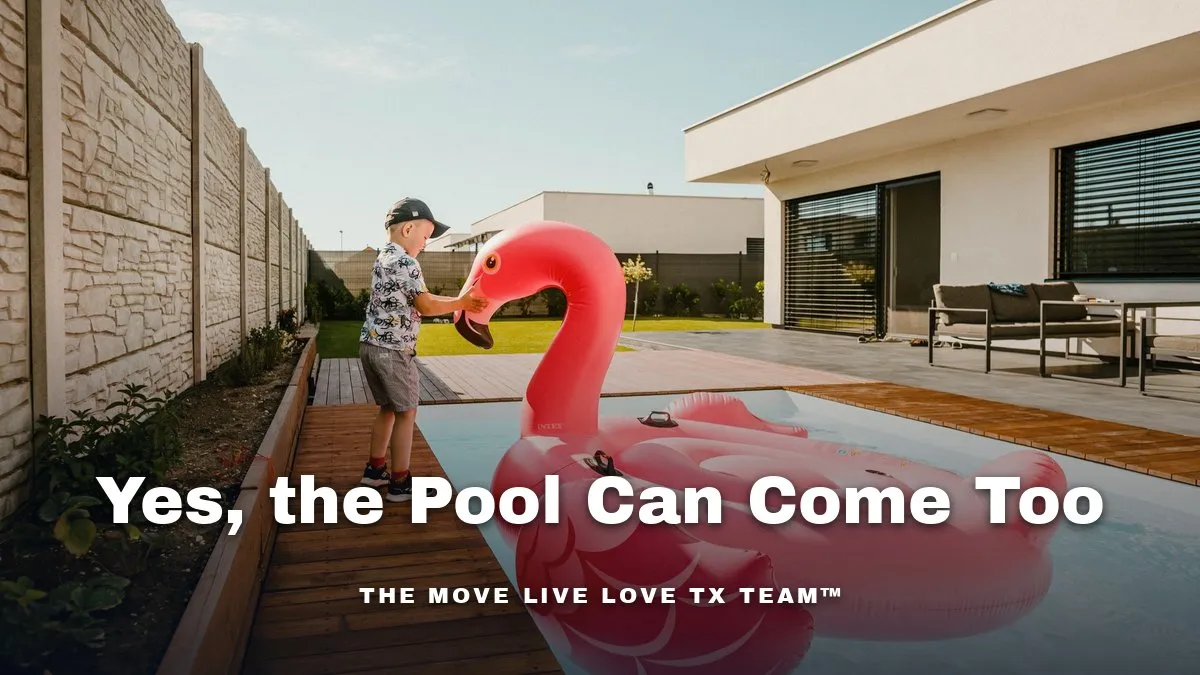
Yes, you can buy a house with a pool using a VA loan in Houston. A pool does not disqualify a home from VA financing. The VA appraiser treats it as a site improvement, the same way they treat a deck or a detached garage, and only calls it out when it is a health or safety hazard or clearly in poor condition. A clean, working pool usually goes through without a second look.
That surprises veterans more than it should, because the VA loan has a reputation for being picky about property condition. It is picky. Just not about pools in the way most people expect.
What the Appraiser Looks At
VA appraisals follow the Minimum Property Requirements in VA Pamphlet 26-7, Chapter 12. Those rules are about whether a home is safe, sound and sanitary. They are not a pool checklist. In practice, the appraiser walks out back and looks for problems anyone could see:
- Standing green or black water, or a pool so dirty the bottom is not visible
- Broken or missing equipment, such as a dead pump or a disconnected filter
- Exposed wiring, a broken light fixture or a damaged drain cover
- A partly filled-in or half-demolished pool
- A deck with trip hazards or a shell that is clearly cracked
If the appraiser sees one of these, the appraisal can come back “subject to” a repair. That means the problem gets fixed and re-checked before the loan closes. If the pool is a true hazard that cannot be fixed, VA’s rule is that the improvement has to be removed. That is rare. A shock treatment and a working pump clear most Houston pool conditions in a few days.
Our breakdown of what can fail a VA appraisal in Houston covers the rest of the list.
The Green Pool Problem in a Vacant House
Here is where we see this go sideways. A seller moves out in August, the power gets cut to save money, and by October the pool looks like a pond. The listing photos were taken in June. The appraiser shows up and sees algae.
None of that kills the deal, but it costs time. The seller has to turn the power back on, get the pool cleaned and running, and the appraiser has to come back. If your closing date is tight around PCS orders, that delay matters. We ask the listing agent about pool service before we write the offer on a vacant home, and we ask for the pool to be running before the appraiser’s visit.
Fences, Gates and Local Code
VA’s Minimum Property Requirements do not set their own pool-fence rule. Local building codes still apply, and they vary inside the Houston area. The City of Houston, Harris County, Montgomery County and every suburb with its own code can treat barriers, self-closing gates and door alarms differently.
Ask your inspector to check the gate latches and any alarms on doors that open to the pool. If something is out of code, it is a fair repair request during your option period.
The Appraisal Is Not a Pool Inspection
This is the part we push hardest. The VA appraiser does not test the pump, heater, salt system, plumbing lines or shell. They look at condition from the deck. A pool can pass the appraisal and still need a new pump or heater a few months after you move in.
Pay for a pool inspection during the option period. It is a separate inspection from the general home inspection, and in Houston it is money well spent. Our guide to what a Texas pool inspection checks walks through it.
What It Does to the Value and the Payment
A pool does not always raise the appraised value by what it cost to build. The appraiser values it the way buyers in that neighborhood pay for it, using comparable sales. In some Houston suburbs a pool is close to expected at a certain price point. In others it adds little.
Plan for the running costs too. Electricity for the pump, chemicals or a pool service, and possibly a higher homeowners insurance premium all land in your monthly budget. VA lenders look at residual income, the money left over each month after the big bills, so a pool’s running costs are worth thinking through before you fall for the backyard.
Vicky holds the Military Relocation Professional certification, and we walk veterans through VA appraisals on Houston homes, pools included. The Move Live Love TX Team™ is a husband-and-wife real estate team with CB&A, Realtors, serving Houston and the surrounding areas. If a house with a pool is on your list, we will tell you what to check before the appraiser ever sees it.
Frequently Asked Questions
- Does a VA loan allow a house with a swimming pool?
- Yes. A pool does not disqualify a home from VA financing. The VA appraiser looks at it as a site improvement, like a deck or patio, and only calls it out when it creates a health or safety hazard or is in poor condition.
- Can a green or neglected pool fail a VA appraisal?
- It can hold up the loan. An appraiser who sees standing dirty water, broken equipment or a pool that cannot be inspected can make the appraisal subject to repair, which means the issue has to be fixed and checked before closing. A cleaned, running pool usually clears that step.
- Does the VA require a fence around the pool?
- VA's Minimum Property Requirements do not spell out a pool-fence rule on their own, but local building codes and the appraiser's safety review still apply. Check the city or county code for the address, and ask your inspector to look at gates, latches and any door alarms.
- Is a pool inspection required for a VA loan?
- No. The VA appraisal is not a pool inspection, and VA does not require one. A separate pool inspection is still worth paying for in Houston, because it checks the pump, heater, plumbing and shell that an appraiser does not test.
- Does a pool raise the appraised value on a VA loan?
- Sometimes, but rarely dollar for dollar. The appraiser values the pool the way buyers in that area pay for it, based on comparable sales. In some Houston neighborhoods a pool adds real value, and in others it adds very little.
